.svg)



An automated GTM workflow that turns website intent into qualified outreach
A technical breakdown of a real, production-ready system
Intent already exists.
Most GTM stacks just don’t know how to capture it.
Every day, buyers:
- visit your pricing page
- read a case study
- return twice in the same week
- hover around your solution without filling a form
That’s not “top of funnel noise”.
That’s unstructured intent.
The problem isn’t traffic.
It’s that most teams have no event-driven system to turn intent into action.
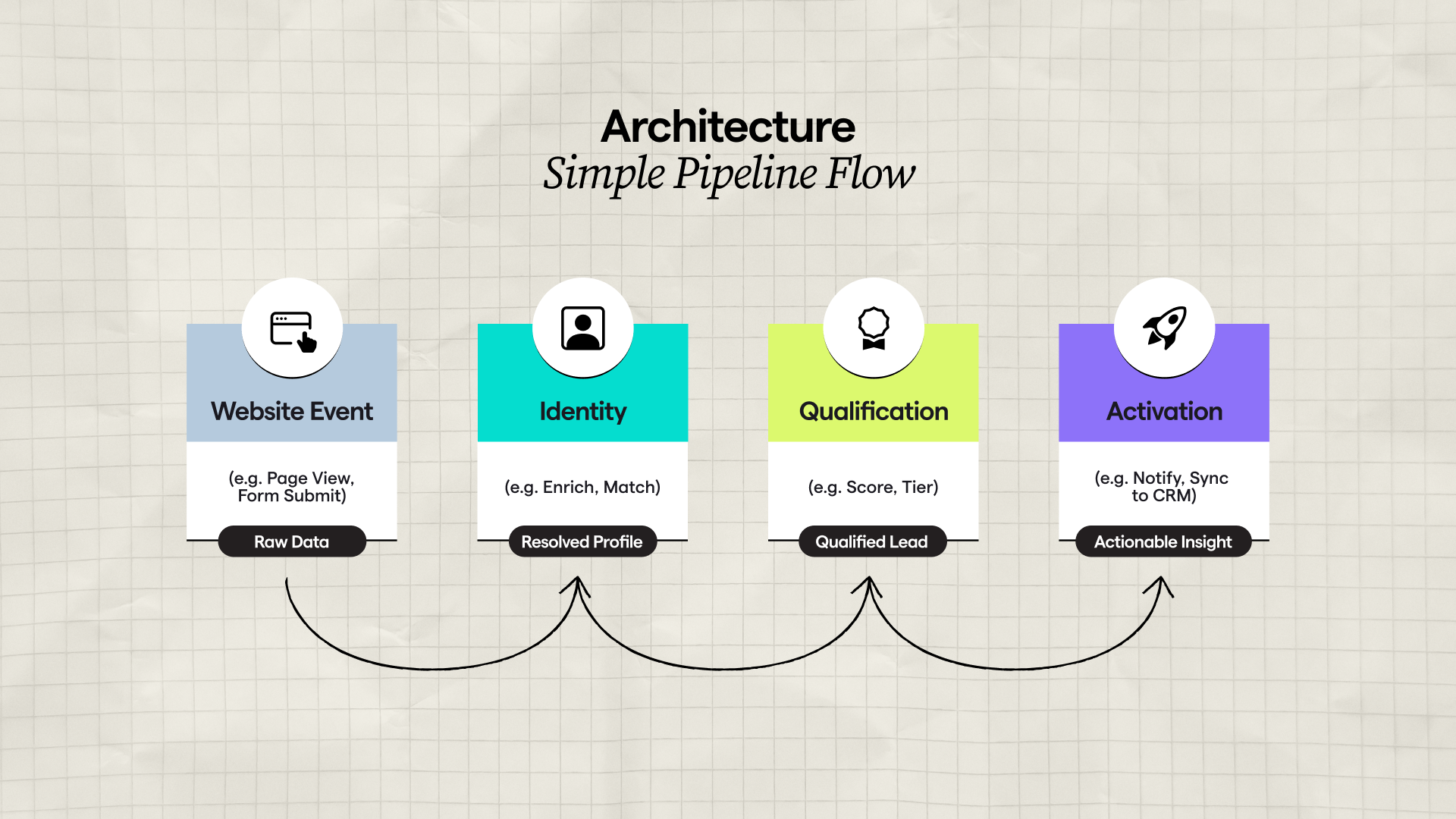
The goal of the system
Not to “identify people”.
Not to spy.
Not to guess.
The goal is simple:
When intent happens, decide if it’s worth action — automatically.
This requires four things:
- First-party signals
- Company-level identity
- Explicit ICP logic
- Deterministic routing
Everything else is optional.
Step 1 — Capture first-party intent events
We start where the data is clean: your website.
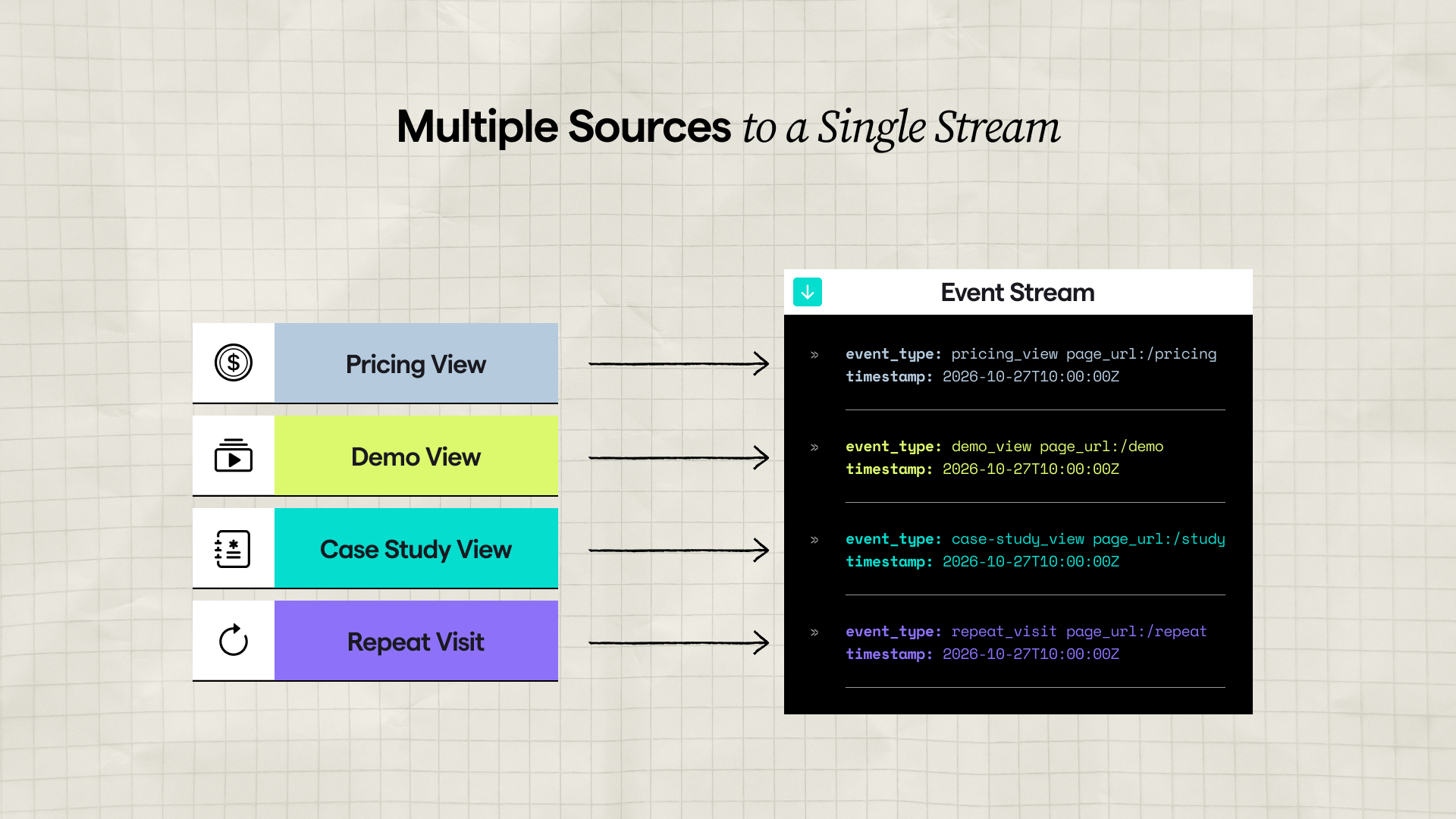
High-intent events might include:
- pricing page view
- demo page view
- case study view
- repeated visits in a short window
These events are:
- timestamped
- deterministic
- owned by you
No scraping. No guesswork.
Step 2 — Resolve company identity
(not people)
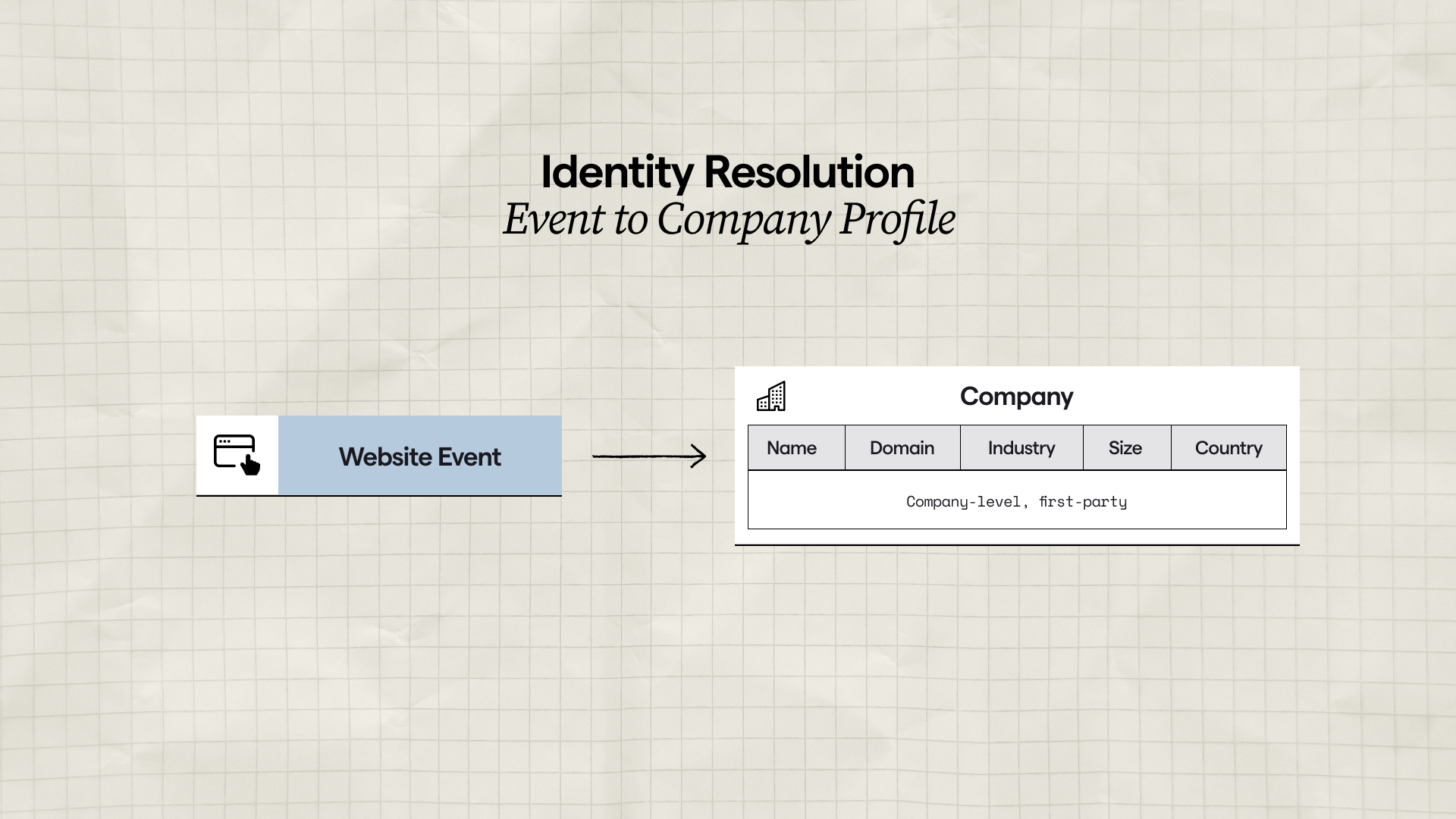
From the event stream, we resolve company-level identity.
This is a critical design decision.
At this stage, the system answers:
- What company is behind this visit?
- What domain?
- What size, industry, geography?
This avoids:
- unreliable individual identification
- compliance issues
- brittle hacks
We now have a real account, not a guess.
Step 3 — Enrich only what deserves enrichment
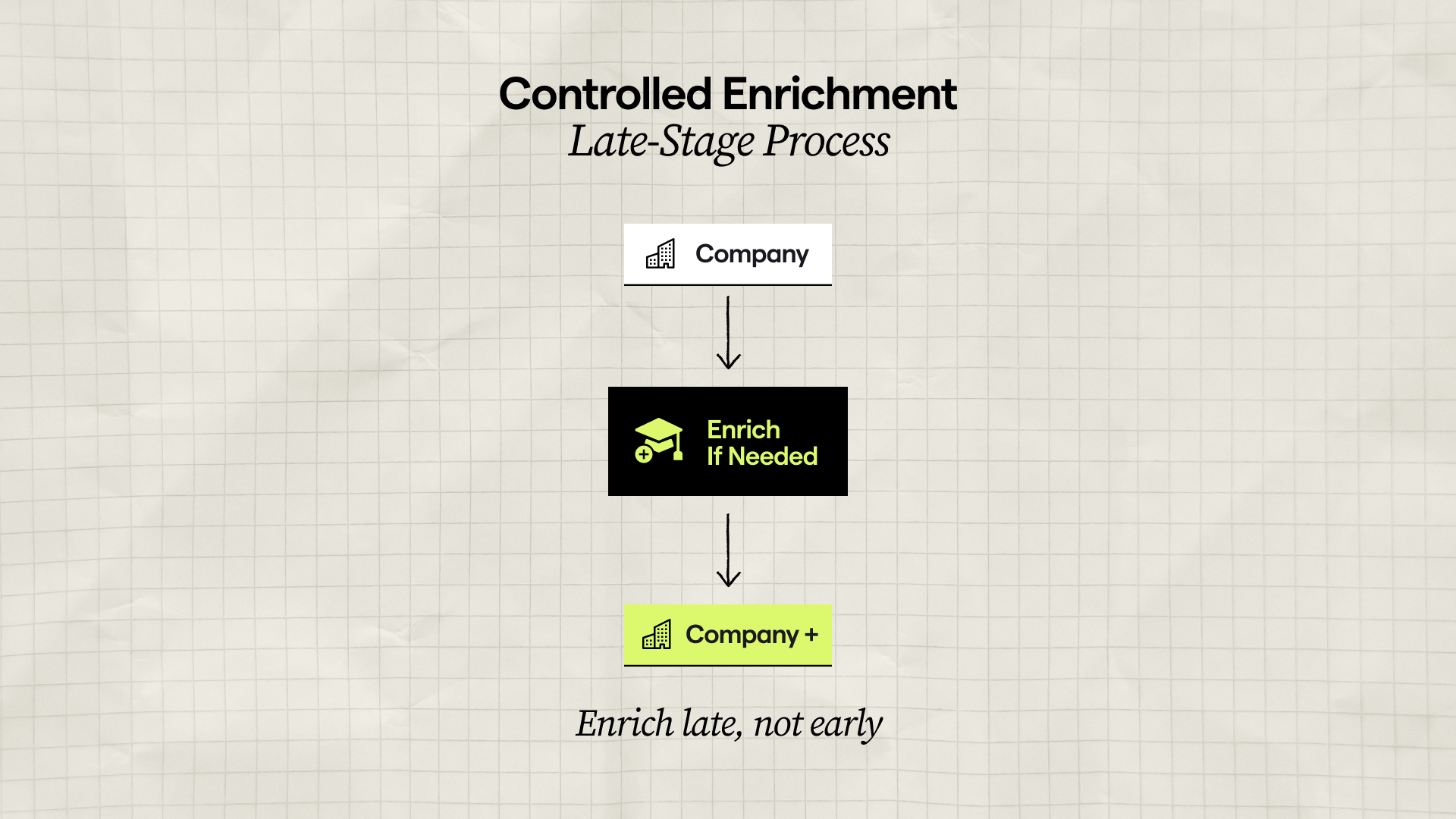
Most stacks enrich everything upfront.
That’s backwards.
At this point, enrichment is:
- firmographic (size, industry, region)
- optional technographic
- scoped to one company at a time
No lists.
No bulk operations.
No wasted credits.
This keeps the system cheap, fast, and focused.
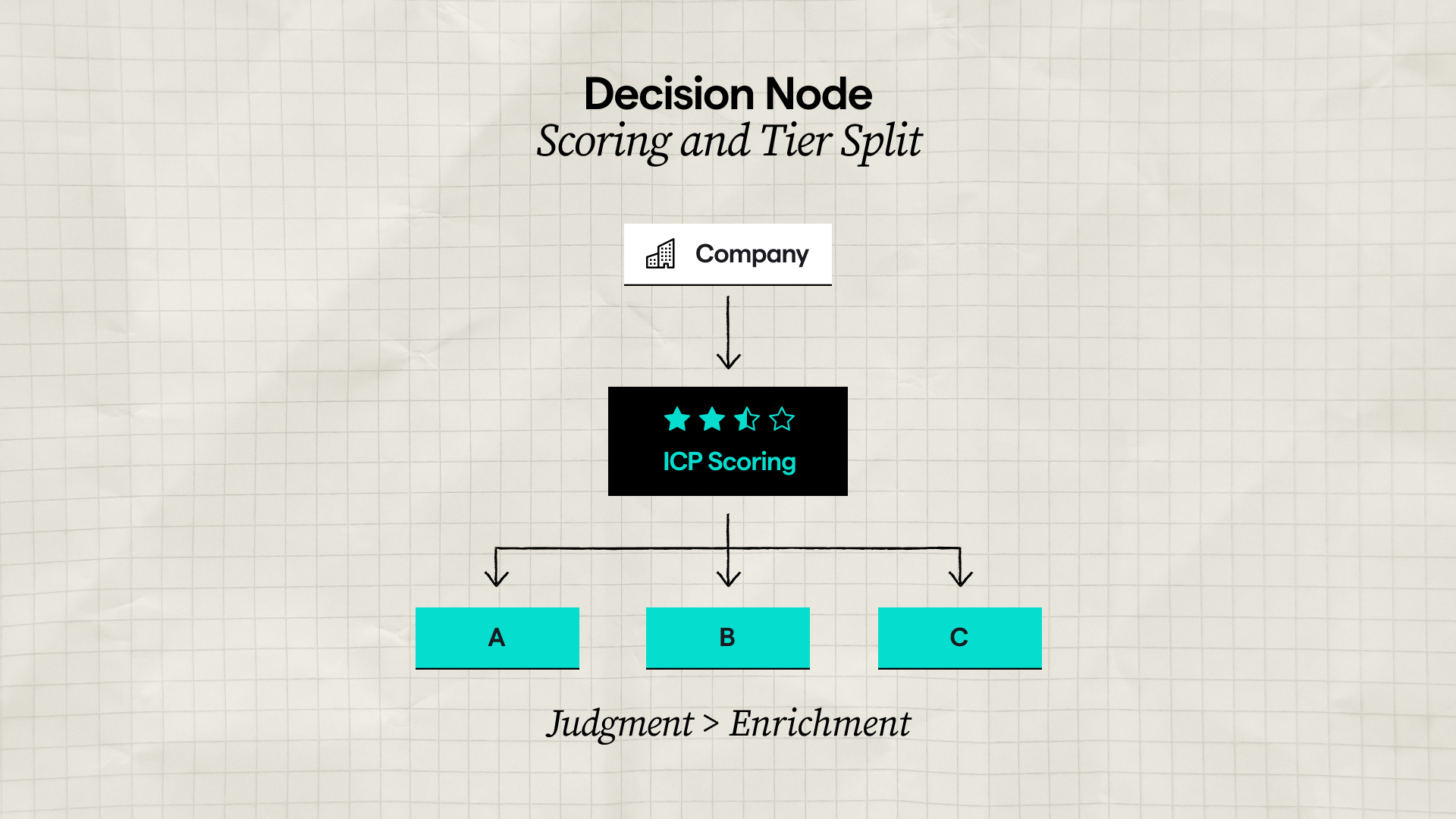
Step 4 — ICP qualification as a decision engine
This is where most GTM stacks fail.
Instead of filtering rows, we apply explicit decision logic.
Claude evaluates the company against:
- ICP rules
- role relevance
- market focus
- customer / non-customer status
The output is not “yes/no”.
It’s:
- score (0–100)
- tier (A / B / C)
- reason codes (why this scored that way)
This turns GTM from opinion into deterministic judgment.
Step 5 — Route based on score, not clicks
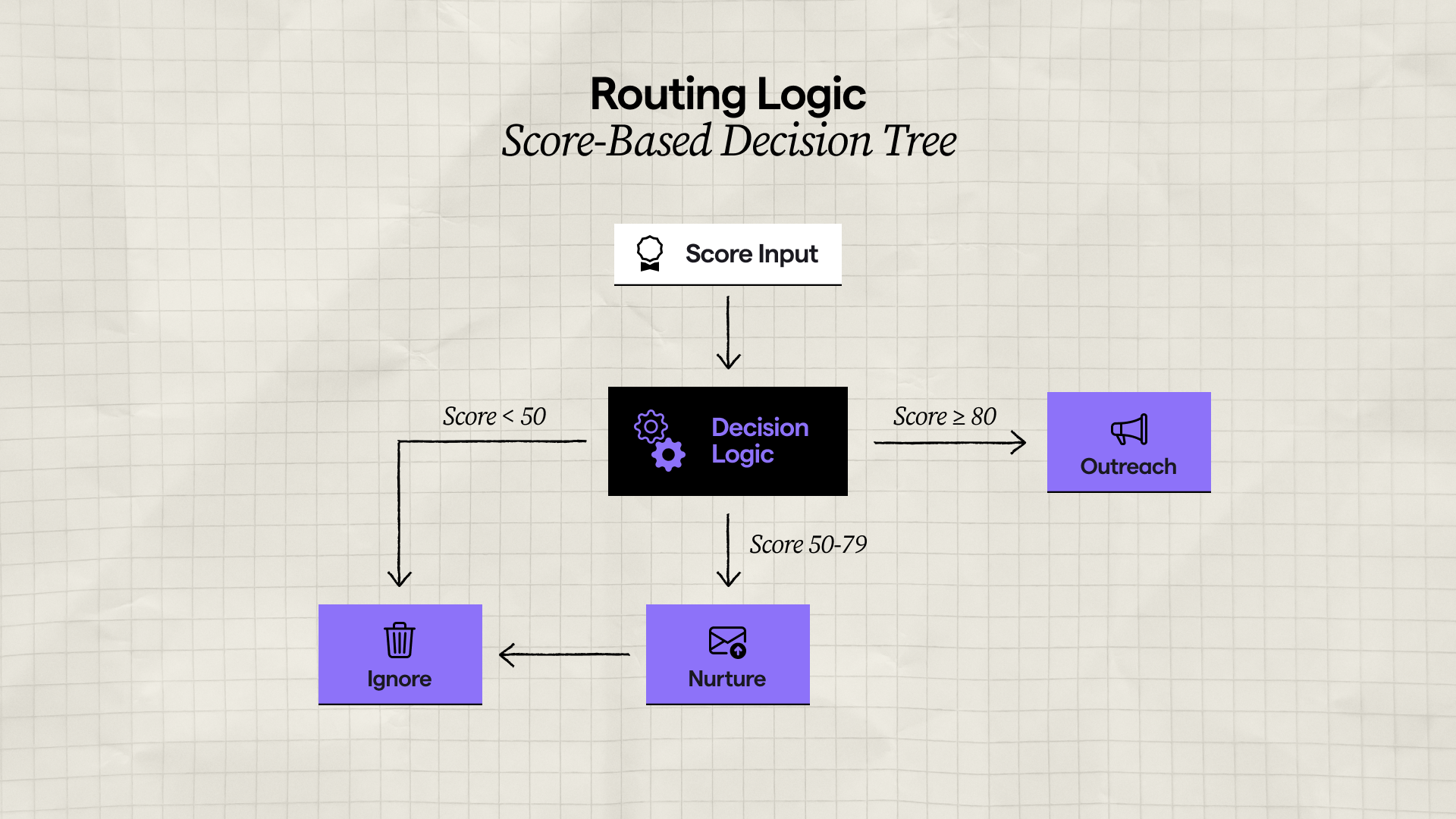
Now the system can act.
Example routing:
- Tier A → find 2–3 contacts + prepare outreach
- Tier B → wait for another intent signal
- Tier C → ignore or cheap retargeting
Nothing is sent “just because someone visited”!
Action only happens when intent + fit intersect.
Step 6 — Activate outreach with full context
For Tier A accounts only:
- relevant roles are identified
- emails are verified
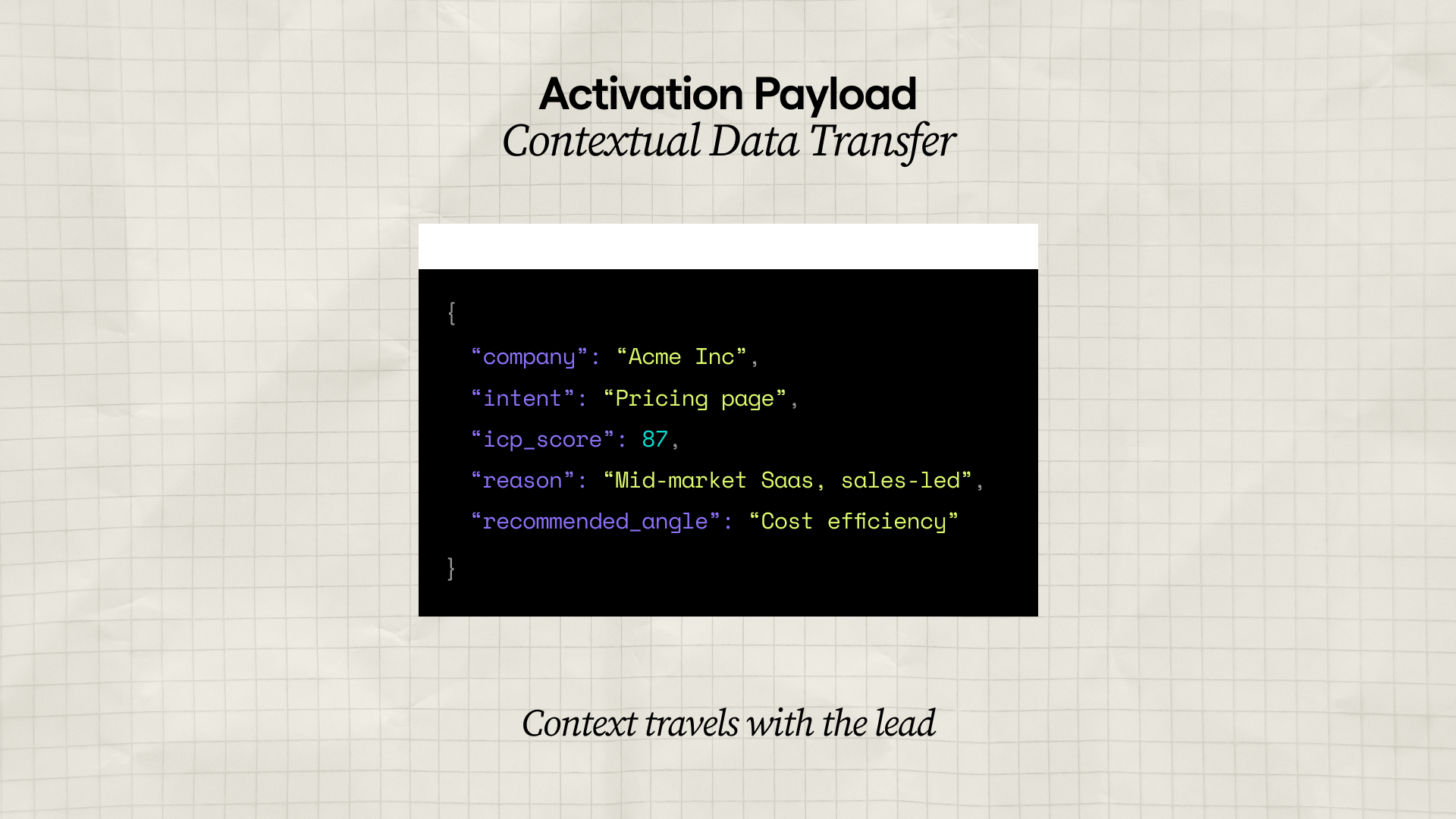
- context is attached (page viewed, score, reason)
The outreach system receives:
- fewer leads
- higher confidence
- better timing
Sales doesn’t get “more”.
They get clearer.
This isn’t about tools
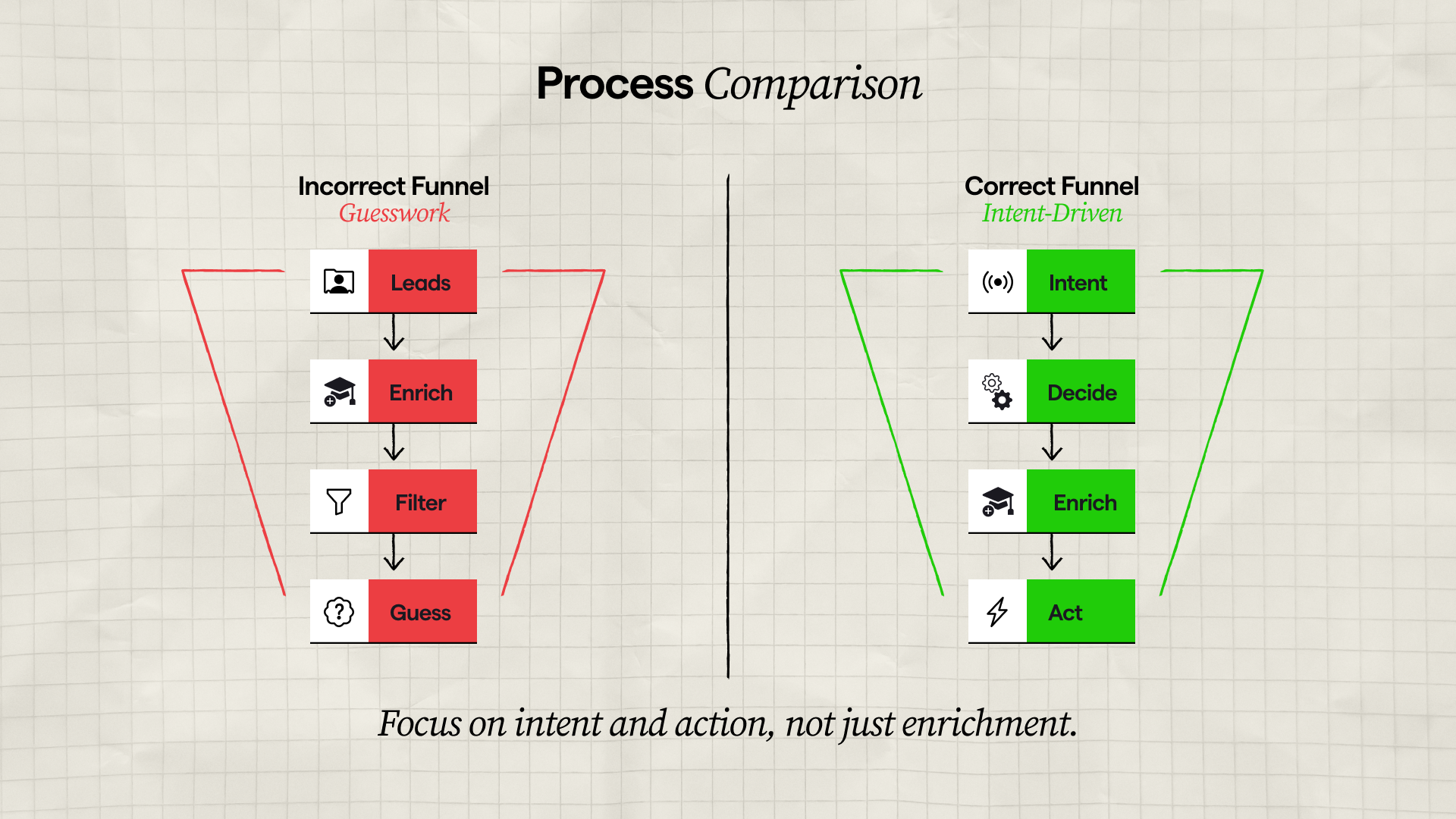
The stack matters less than the order.
What makes this work:
- events before enrichment
- identity before contacts
- decisions before outreach
- systems before campaigns
Most GTM teams invert this and pay for it with noise.
The real takeaway
This workflow doesn’t “create demand”.
It listens.
Your buyers are already telling you when to talk to them.
You just need a system that knows how to listen.